Therapeutic Reflexology
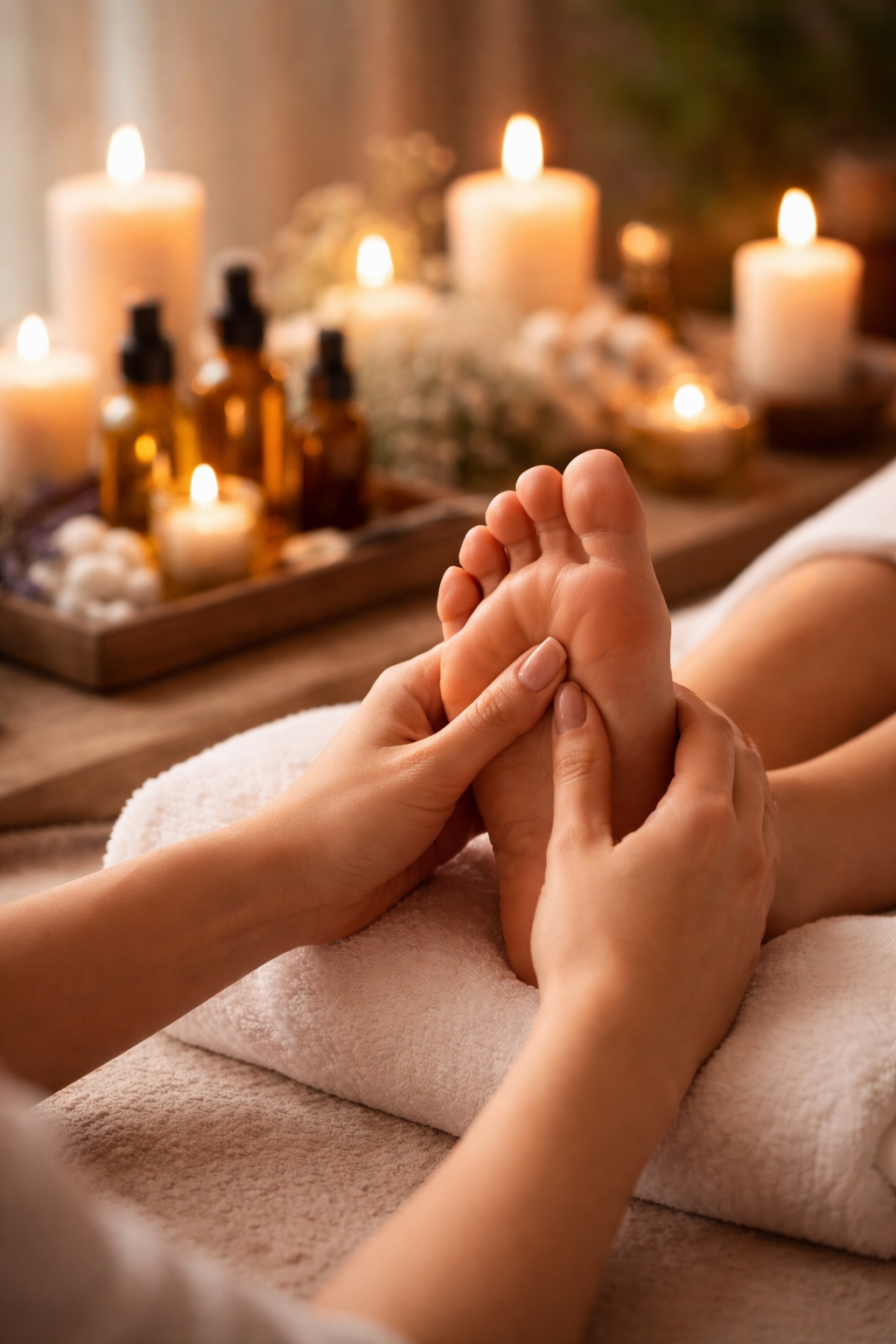
Reflexology is a non-invasive complementary therapy that involves applying targeted pressure to specific points on the feet, hands, and ears. These points, known as reflexes, correspond to different organs, glands, and body systems. Practitioners believe that stimulating these areas promotes balance, relaxation, and the body's natural healing processes.
A Brief History of Reflexology
Reflexology has ancient roots, with evidence appearing in Egyptian tomb paintings from around 2330 BC, alongside mentions in traditional Chinese and Indian healing practices. In the early 20th century, American physician Dr. William Fitzgerald developed "zone therapy," dividing the body into ten vertical zones and linking pressure on the hands and feet to effects elsewhere in the body. Nurse and physiotherapist Eunice Ingham later refined this into modern reflexology in the 1930s, creating detailed foot maps that many practitioners still use today.
How Does Reflexology Work?
Reflexology is based on the idea that the feet, hands, and ears act as "maps" of the body. For example:
- The toes often correspond to the head and neck.
- The ball of the foot links to the chest and lungs.
- The arch relates to internal organs like the stomach, liver, and kidneys.
- The heel connects to the lower back and pelvic area.
- The left foot generally mirrors the left side of the body, and the right foot mirrors the right side.
A session typically lasts 45–60 minutes. The practitioner uses thumb and finger walking techniques, applying firm but comfortable pressure (often described as "between a tickle and a hurt"). This stimulation is thought to:
- Improve circulation.
- Reduce tension.
- Send calming signals through the nervous system.
- Help restore homeostasis (balance).
Note: Reflexology differs from a regular foot massage. Massage works on muscles and soft tissue for localized relaxation, while reflexology targets precise reflex points for whole-body effects. You remain fully clothed, as only the feet, hands, or ears are worked on.
Key Benefits of Reflexology
Many people seek reflexology for its relaxing and supportive effects. Reported benefits include:
- Stress and Anxiety Reduction — Promotes deep relaxation and may lower anxiety levels.
- Pain Relief — Some studies suggest it helps with pain from conditions like labor, migraines, or chronic discomfort.
- Improved Sleep — May enhance sleep quality by reducing tension.
- Better Circulation and Vital Signs — Can positively influence blood pressure, heart rate, and overall energy.
- Support for Specific Symptoms — Often used to ease fatigue, digestive issues, or side effects from medical treatments (such as in cancer care).
Reflexology is generally safe and suitable for most people, including those who are ill or in hospital settings. It is not a cure or medical treatment for any disease. Research shows promising results for symptom relief (especially relaxation and pain management), but many studies are small or of low certainty, and benefits may overlap with those of general touch therapy or placebo effects. Always consult a healthcare professional for serious conditions.
What to Expect in a Reflexology Session
- Consultation — Your practitioner will ask about your health and goals.
- Treatment — You'll sit or lie comfortably while pressure is applied to reflex points. Tender areas may indicate congestion, and the therapist will work them gently.
- Aftercare — You may feel relaxed, energized, or occasionally experience a mild "healing response" (like increased urination or emotional release) as the body rebalances.
Sessions can focus on feet (most common), hands (great for self-care), or ears.
Who Can Benefit?
Reflexology appeals to those seeking holistic wellness, stress management, or complementary support alongside conventional care. It's popular for general relaxation, pregnancy discomfort, workplace stress, or recovery from illness.
Important Disclaimer: Reflexology should complement, not replace, medical advice or treatment. If you have foot injuries, blood clots, or certain health conditions, check with your doctor first.
Ready to Experience Reflexology?
Whether you're looking to unwind, support your well-being, or simply try something new, reflexology offers a gentle way to care for your whole body through your extremities.
Book a session with a qualified reflexologist or explore self-reflexology techniques for hands and feet at home. Many people report feeling lighter, calmer, and more balanced after just one treatment.
For best results, choose a certified practitioner trained in recognized reflexology methods.