Lymph Drainage
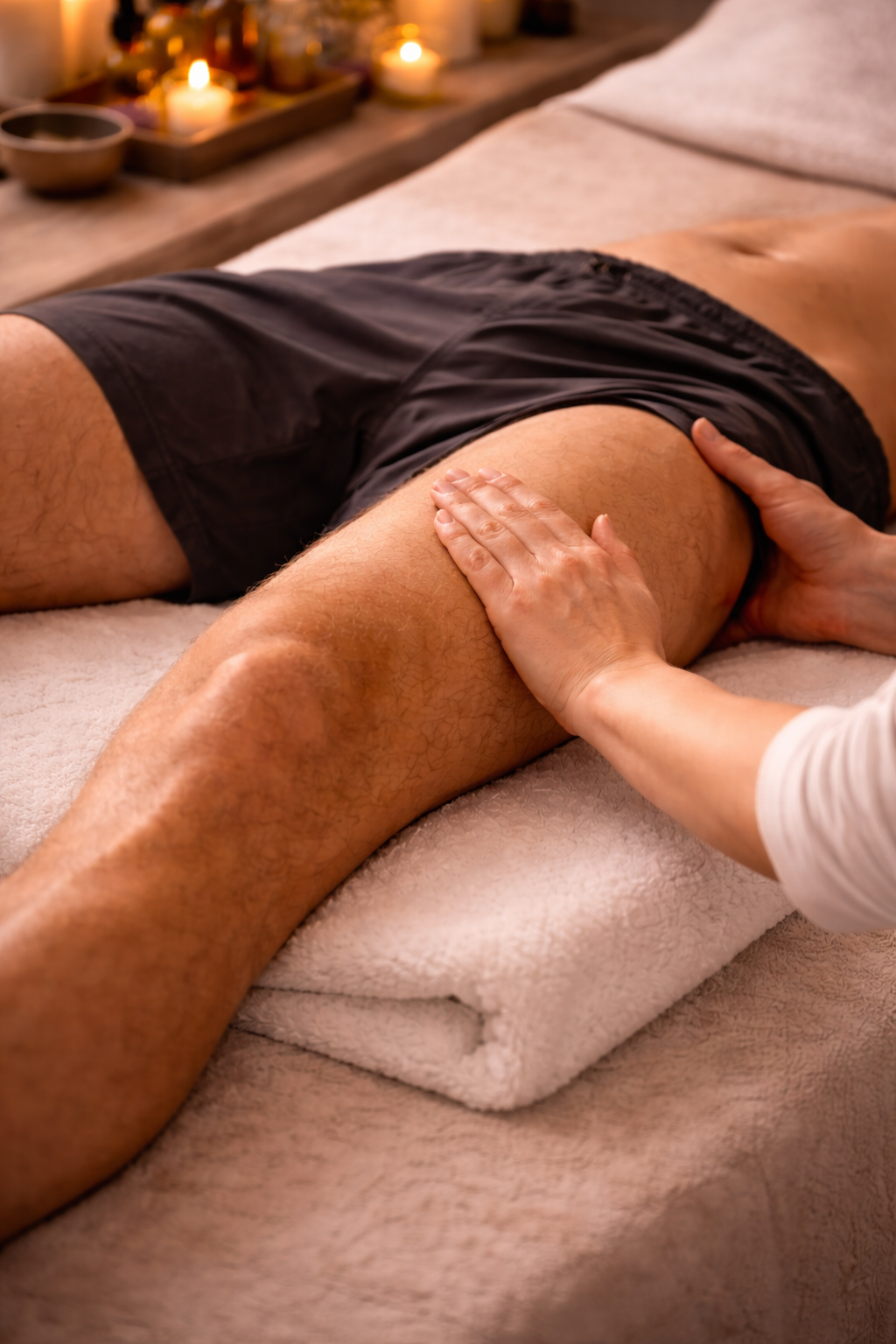
Lymphatic Drainage (also known as Manual Lymphatic Drainage or MLD) is a gentle, specialized form of bodywork designed to stimulate the lymphatic system — the body's natural waste-removal and immune network. Using very light, rhythmic, skin-stretching techniques, MLD encourages the movement of lymph fluid, helping to reduce swelling, support detoxification, and promote overall balance.
It is most commonly performed on the full body but can focus on specific areas such as the arms, legs, face, or neck.
A Brief History of Lymphatic Drainage
Modern Manual Lymphatic Drainage was developed in the 1930s by Danish physiotherapist Dr. Emil Vodder and his wife, Estrid Vodder. While working in France, they noticed that gentle manipulation of swollen lymph nodes helped patients with chronic sinusitis and other conditions. Vodder created a systematic technique using light, rhythmic strokes and presented it as “Manual Lymph Drainage” in 1936 in Paris.
Since then, the Vodder method has been refined and is now widely taught worldwide. It forms a key part of Complete Decongestive Therapy (CDT), the gold-standard treatment for lymphedema, especially in cancer care and post-surgical recovery.
How Does Lymphatic Drainage Work?
The lymphatic system is a one-way network of vessels, nodes, and organs that collects excess fluid, waste products, proteins, and toxins from tissues and returns them to the bloodstream. Unlike the circulatory system, it has no central pump (like the heart) and relies on muscle movement, breathing, and external stimulation to move lymph fluid.
MLD uses four main gentle techniques (stationary circles, scoop, pump, and rotary movements). The therapist applies very light pressure — often described as the weight of a coin — and works in specific directions toward the lymph nodes. Sessions usually start at central areas (neck, trunk) before moving to the limbs to “open” the pathways and create a suction effect that draws fluid from congested areas.
A typical session lasts 45–90 minutes. You remain clothed or draped, and the experience is soothing rather than deep or painful. Many people feel relaxed or notice a need to urinate afterward as the body processes the moved fluid.
Important distinction: Lymphatic drainage is not a regular massage. Regular massage targets muscles and deeper tissues with firmer pressure, while MLD is extremely light, focuses exclusively on the skin and superficial lymph vessels, and follows precise anatomical pathways to move fluid rather than relax muscle knots.
Key Benefits of Lymphatic Drainage
MLD is primarily a therapeutic technique with strong clinical support in specific contexts:
- Reduction of Swelling and Edema — Especially effective for lymphedema (chronic swelling often caused by lymph node removal during cancer surgery, such as breast cancer), post-surgical swelling, injury-related edema, or fluid retention.
- Support for Post-Surgical Recovery — Helps reduce bruising, inflammation, and discomfort after procedures like liposuction, tummy tucks, facelifts, or joint replacements.
- Immune System Support — By improving lymph flow, it may help the body remove waste and fight infection more efficiently.
- Relaxation and Stress Relief — The gentle, rhythmic nature promotes deep relaxation and can improve sleep.
- Improved Skin Health and Appearance — Some people notice reduced puffiness (especially facial) and a temporary firmer look, though it is not a weight-loss treatment.
- Symptom Relief in Certain Conditions — May help with sinus congestion, chronic fatigue, fibromyalgia symptoms, or mild digestive discomfort related to fluid buildup.
Scientific evidence is strongest for reducing swelling in lymphedema and post-operative edema. Benefits for general “detox,” immunity boosting, or weight loss in healthy individuals are not well-supported by research and are often overstated. MLD works best as part of a comprehensive care plan and is not a cure for any disease.
What to Expect in a Lymphatic Drainage Session
- Consultation — The therapist reviews your health history and goals.
- Treatment — You lie comfortably while the practitioner uses slow, gentle, wave-like strokes. No deep pressure or pain should occur.
- Aftercare — Drink plenty of water, rest if needed, and avoid tight clothing. You may feel lighter, more energized, or experience increased urination as the body eliminates fluid.
For best results in medical cases, MLD is often combined with compression garments, exercise, and skin care (Complete Decongestive Therapy).
Who Can Benefit?
Lymphatic drainage is particularly helpful for:
- People with lymphedema or chronic swelling
- Post-surgery or post-injury recovery
- Those experiencing fluid retention or puffiness
- Individuals seeking gentle immune or relaxation support
It is suitable for many people when performed by a properly trained therapist (ideally a certified lymphedema therapist, physical therapist, or massage therapist with advanced MLD training).
Important Safety Precautions and Contraindications:
MLD is generally very safe but should be avoided or used with extreme caution in certain cases. Always consult your doctor first if you have:
- Acute infection, fever, or cellulitis
- Untreated blood clots (thrombosis/DVT)
- Congestive heart failure or severe cardiac issues
- Kidney or liver failure
- Active cancer or untreated malignant tumors (relative contraindication)
- Uncontrolled high blood pressure
It is not recommended during acute inflammation or over areas receiving radiation.
Ready to Experience Lymphatic Drainage?
Manual Lymphatic Drainage offers a gentle, effective way to support your body’s natural cleansing and healing processes — especially when swelling or fluid buildup is a concern.
If you’re recovering from surgery, managing lymphedema, or simply want to feel lighter and more balanced, consider booking a session with a qualified professional. Many people report feeling noticeably less puffy and more relaxed after just one treatment.