Aromatherapy
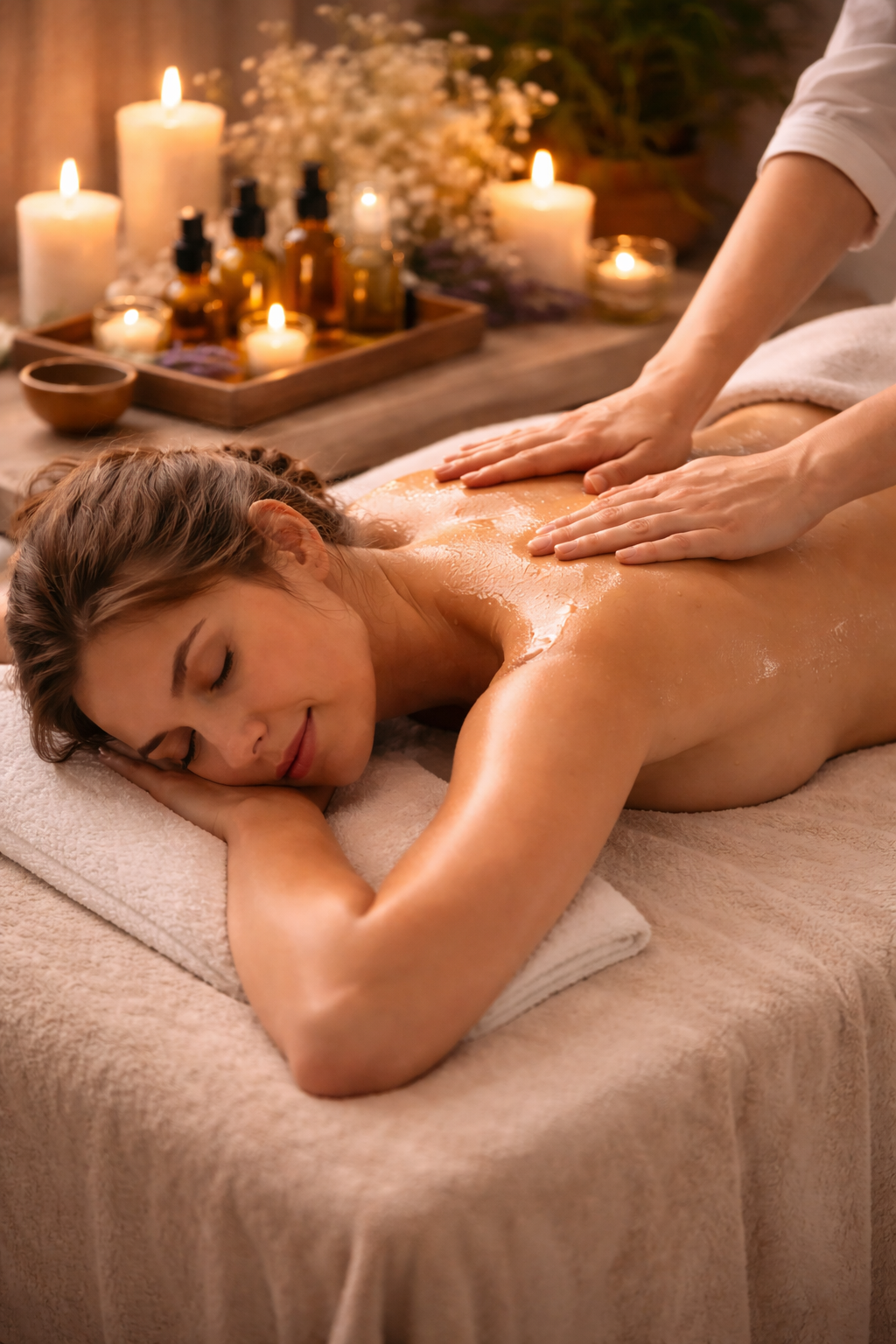
Aromatherapy is a holistic complementary therapy that uses essential oils — highly concentrated aromatic extracts from flowers, leaves, stems, bark, roots, and other plant parts — to promote physical, emotional, and mental well-being. These natural plant essences are inhaled or applied to the skin (always properly diluted) to support relaxation, mood balance, and symptom relief.
A Brief History of Aromatherapy
The use of aromatic plants dates back thousands of years. Ancient Egyptians used scented oils in rituals, embalming, and medicine as early as 3,500–4,000 BC. The Greeks and Romans incorporated aromatic baths and massages for health, while traditional Chinese and Indian systems also embraced plant aromatics.
The modern practice of aromatherapy began in the early 20th century. French chemist René-Maurice Gattefossé coined the term “aromatherapy” in the 1920s after he accidentally discovered lavender oil’s healing effect on a burn. He and others, including Jean Valnet and Marguerite Maury, further developed its therapeutic applications. Today, aromatherapy is widely used as a supportive wellness practice alongside conventional care.
How Does Aromatherapy Work?
Essential oils contain volatile compounds that interact with the body in two main ways:
- Inhalation: When you smell an essential oil, scent molecules travel through the nose to the olfactory system and directly influence the limbic system — the brain’s emotional center. This can quickly affect mood, stress levels, heart rate, and memory.
- Topical absorption: When diluted and massaged into the skin, the compounds are absorbed into the bloodstream and may influence physiological processes such as reducing inflammation or promoting relaxation.
Common methods of use include:
- Diffusers (for room inhalation)
- Inhalers or tissue drops
- Diluted massage oils
- Baths
- Compresses
- Lotions or creams
Important distinction: Aromatherapy uses pure essential oils (natural plant extracts). It is not the same as synthetic “aroma oils” or fragrances, which lack therapeutic properties.
A session or self-practice can last 15–60 minutes, depending on the method. Effects are often subtle and cumulative with regular use.
Key Benefits of Aromatherapy
Many people turn to aromatherapy for its gentle, pleasant effects. Commonly reported benefits include:
- Stress, Anxiety, and Mood Support — Scents like lavender, chamomile, and bergamot can promote relaxation and reduce feelings of anxiety.
- Improved Sleep — Lavender and other calming oils are popular for helping with insomnia or better rest.
- Pain and Discomfort Relief — May help ease headaches, muscle tension, menstrual cramps, or minor aches when used in massage.
- Nausea and Digestive Support — Ginger or peppermint oils are sometimes used for mild nausea (e.g., during travel or certain treatments).
- Enhanced Focus and Energy — Citrus oils like lemon or rosemary may support mental clarity and alertness.
- General Well-Being — Often used in clinical settings to improve mood, reduce perceived pain, or support comfort during illness or medical procedures.
Research shows promising results for symptom management — especially relaxation, anxiety reduction, and improved sleep — but evidence varies. Aromatherapy does not cure diseases and works best as a complementary practice. Benefits may come from both the chemical properties of the oils and the pleasurable sensory experience.
What to Expect When Using Aromatherapy
You can enjoy aromatherapy at home or with a trained practitioner. A typical experience might involve:
- Choosing high-quality, pure essential oils from reputable sources.
- Selecting scents based on your goals (e.g., calming lavender for bedtime).
- Using safe methods: diffusing, inhaling from a tissue, or applying diluted oil to the skin.
- Noticing effects such as deeper breathing, calmer thoughts, or physical relaxation.
Many people feel more balanced and refreshed after regular use. Some oils produce a mild “uplifting” or “grounding” sensation.
Who Can Benefit?
Aromatherapy appeals to anyone seeking natural support for stress management, better sleep, mood enhancement, or gentle symptom relief. It is popular in spas, wellness centers, hospitals (for supportive care), and homes. It is generally suitable for most adults when used correctly.
Safety First – Important Precautions:
- Always dilute essential oils before applying to the skin (typically 1–5% in a carrier oil like jojoba or coconut).
- Do a patch test to check for allergic reactions.
- Never ingest essential oils unless under professional guidance.
- Avoid certain oils during pregnancy, with young children, pets (especially cats), or specific health conditions.
- People with asthma, sensitive skin, or respiratory issues should use caution and consult a doctor.
- Some oils can cause irritation, photosensitivity, or interact with medications.
Essential oils are potent — treat them with respect, like any concentrated natural substance.
Ready to Experience Aromatherapy?
Aromatherapy offers a simple, enjoyable way to nurture your mind and body through the power of scent. Start with a few versatile oils (lavender, tea tree, and lemon are great beginners’ choices) and explore what works for you.
Tips to begin:
- Add a few drops to a diffuser for ambient relaxation.
- Create a bedtime roller blend with diluted lavender.
- Try a warm foot soak with calming oils.
For personalized guidance, consult a qualified aromatherapist or healthcare provider, especially if you have health concerns.
Choose certified pure therapeutic grade essential oils and follow safety guidelines for the best experience.